







Search Results for: original name
Indonesian Mandheling Coffee Buying Guide: From the Origin of the Name to Flavor Characteristics, Which Front Street Coffee Is Worth Buying
Friends who enjoy drinking coffee may have noticed that Indonesian coffees are usually named directly after their producing islands, such as Java, Sulawesi, and Sumatra. But one well-known coffee is an exception—Mandheling from the island of Sumatra. Behind this name lies an interesting historical misunderstanding, while its unique flavor comes from the local special wet-hulling process. This article will guide you through the origin of the name Mandheling, the reasons behind its flavor, and recommend two products—Front Street Indonesia Mandheling G1 and Front Street PWN Golden Mandheling—to help you choose fresh, clean beans with no off-flavors. [more…]
Ethiopian Sidamo Sun-Dried Huakui | Single-Origin Coffee Bean: Are Huakui, Gesha, and Geisha the Same Coffee Variety? What Is the Difference Between Huakui and Geisha?
If a customer is looking for the most cost-effective coffee beans, then Huakui is definitely one of Front Street's top recommendations. But whenever Front Street mentions Huakui, some customers will say something like: "Oh, I know Huakui—it's a variant of Geisha / a variety of Geisha!" As you can see, even today there are still many people [more…]
Indonesian Hand-Brewed Single-Origin Bean Recommendations | What Is the Origin of Mandheling? An Introduction to the Flavor, Taste Characteristics, Quality, and Price of Indonesian Specialty Coffee Golden Mandheling
The Origin of Mandheling Coffee We can find that many named single-origin coffees generally take their names from the growing region, place name, variety, or the name of the green bean processor, but the naming of "Mandheling" is rather special, and it begins with a story full of misunderstanding. During World War II in the last century, the Japanese army [more…]
Coffee Bean Names and Their Meanings | How Are Green Coffee Beans Named? Which Coffee-Producing Regions Do Yirgacheffe, Bourbon, Geisha, and Mandheling Come From?
Years ago, coffees were named quite simply, mostly just after the region where the producer was located. For example, coffee from Yirgacheffe was called Yirgacheffe coffee, coffee from Honduras was called Honduras coffee, coffee from Brazil was called Brazil coffee... But [more…]
Huakui Coffee Beans | Ethiopia's Original Sidamo Guji Region Sun-Dried Huakui Coffee: Region, Flavor Characteristics, and Is It Related to Geisha?
How did Geisha coffee get its name? Front Street Coffee believes that from a literal sense, Geisha coffee is a coffee bean full of floral fragrance, but this is not actually the case. Geisha's floral aroma is not strong; instead, its fruity aroma is more intense, such as passion fruit, strawberry, mango, jackfruit, and citrus. According to what Front Street Coffee has learned: Geisha [more…]
Origin of the Golden Mandheling Name | What Are the Characteristics, Flavor and Mouthfeel of the Ateng Variety Mandheling Coffee Bean? What Is the Difference Between Golden Mandheling and Regular Mandheling?
Mandheling is not the name of a producing region, a place, a port, or a coffee variety. Its name actually comes from a mispronunciation of the Mandailing ethnic group in Indonesia. Mandheling coffee: during World War II, when Japan occupied Indonesia, a Japanese soldier drank a rich and mellow [more…]
Exploring the Origin of the Name Mandheling: Port or Producing Region? Also Discussing Front Street Golden Mandheling Flavor
Mandheling coffee has low acidity and a rich, bittersweet body, making it an irreplaceable classic in the minds of many coffee lovers. But where exactly does the name "Mandheling" come from? Does it refer to a port, a region, or an ethnic group? This article will trace the historical origins of the name Mandheling and introduce Front Street Coffee's PWN Golden Mandheling, covering everything from growing region, variety, and processing method to brewing parameters, giving you a comprehensive understanding of what makes this rich, full-bodied coffee so unique. [more…]
The Origin of the Mantenin Coffee Name and Its Producing Region's Planting History, Flavor Characteristics, and Front Street Golden Mantenin Brewing Recommendations
Mandheling is a perennial staple on café menus, but many people are puzzled when they first encounter it: with its herbal flavor notes and dark bean surface, does it taste like Chinese medicine? In fact, a high-quality Mandheling, with proper roasting and extraction, can present a solid, mellow sweetness and a lasting finish rather than a burnt bitterness. This article begins with the misunderstanding surrounding the name "Mandheling," then reviews the cultivation history of the Sumatra producing region and the origins of the wet-hulled processing method, and introduces the grading standards and brewing parameters of Front Street Coffee's PWN Golden Mandheling, helping coffee lovers truly understand this bean. [more…]

Origin of the name PWN Golden Mandheling coffee beans | What are the characteristics of the Ateng variety of Golden Mandheling coffee beans? What is the Indonesian wet-hulling coffee processing method?
Mandheling is not the name of a region, place, port, or coffee variety. Its name actually comes from a mispronunciation of the Indonesian Mandailing ethnic group. During World War II, when Japan occupied Indonesia, a Japanese soldier drank a rich and mellow [more…]

Featured Mandheling Introduction | What brewing methods suit Indonesian Mandheling coffee? Recommended high-end PWN Golden Mandheling pour-over single-origin beans for gifting
In the past, Mandheling was mainly sold under the trade name "Sumatra coffee," and only later did people use the three characters "Mandheling" to refer to this Indonesian Arabica coffee. People often take the words preceding a coffee's name as the name of a processing station or place of origin, but Mandheling is rather special—it is a minority [more…]
Ethiopia Yirgacheffe G1 Washed Bean Pour-Over Review: Blue Nile Flavor and Origin Story
Yirgacheffe is Ethiopia's most iconic specialty coffee region, and domestic coffee enthusiasts have long been familiar with it. This time we're going to talk about a washed Yirgacheffe G1 that has its own专属专属 name—Blue Nile. This bean was created through a collaboration between the American company Royal Coffee and Ethiopia's Keffe Mill processing station, and its name comes from the Blue Nile, the river in Ethiopia that eventually flows into the Nile. As a high-grade designation within Yirgacheffe, G1 represents the superior quality of specialty coffee. Coffee Review gave it a high score of 94 points. Next, Front Street Coffee will walk everyone through this bean's packaging, green bean condition, and the flavor performance after pour-over brewing. [more…]
Espresso Milk Coffee Recipes | What Coffee-to-Milk Ratio Tastes Best? Latte, Cappuccino, and Flat White: Taste Characteristics and Origins
Latte, cappuccino, and flat white are three milk coffee categories that are almost always staples in coffee shops. This article will help you clearly distinguish the differences between these three milk coffees. Since most people have had some exposure to these three milk coffees, here is a brief introduction to their origins. Modern latte and cappuccino [more…]
Ethiopian Kafa Forest Coffee Beans | Is the coffee produced in Kafa Forest the original Geisha coffee beans? What are the flavor and mouthfeel characteristics of Kafa Forest pour-over coffee?
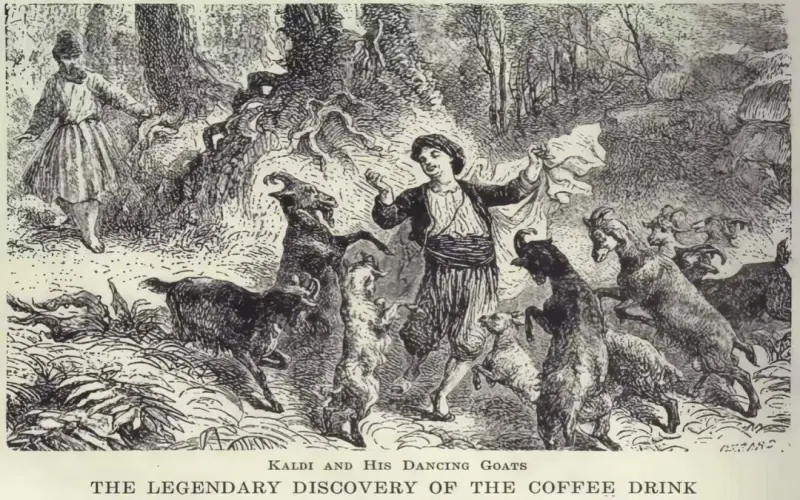
"In the sixth to eighth centuries AD, Kaldi, a young Ethiopian goatherd, was tending his goats in a forested mountain area. Then one day, he noticed that his flock had suddenly become inexplicably excited, jumping and frolicking about. Even an old sick goat regained its vigor and was soon running briskly. After careful observation, he finally discovered that these 'symptoms' appeared after the flock ate from the forest [more…]
Kafa Forest: The Place Where the Name "Coffee" Was Born
Every cup of coffee's family tree can ultimately be traced back to a rainforest in southwestern Ethiopia—the Kafa Forest. The etymology of the word "coffee" comes from the name of the ancient Kingdom of Kafa. This article discusses this holy land of coffee. Where It All Began The Kafa Forest is located in southwestern Ethiopia and is a [more…]
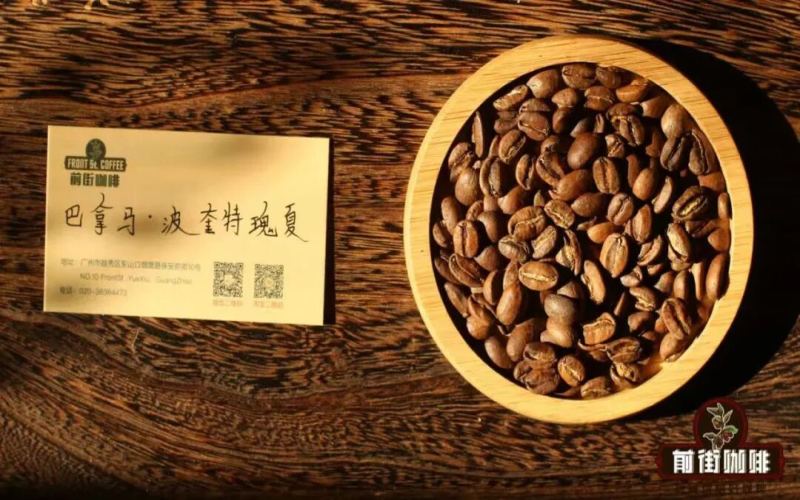
What Kind of Coffee Is Geisha?|Why Are Geisha Coffee Beans Always Associated with Panama? Which Coffee Regions Grow Geisha? What Makes Panamanian Geisha So Unique?
Many friends have noticed this phenomenon: whenever people chat about Geisha coffee, even though no specific region is mentioned, the first thing that often comes to mind is Geisha from Panama; or when talking about Panamanian coffee, they will directly assume it is the Geisha variety; some even go so far as to directly [more…]
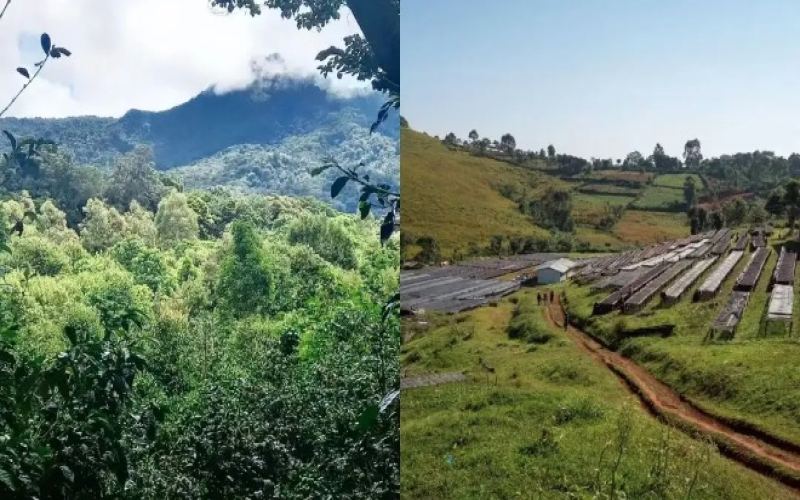
Gori Geisha, Geisha 1931, are also Geisha coffee beans?
The place where Geisha originated is in Panama, while its origin is in Ethiopia. Therefore, people often compare the Geisha from these two regions! And the "Geisha 1931" and "Gori Geisha" bean varieties are recognized by people as representatives of [more…]
A Detailed Guide to Jamaican Blue Mountain Coffee Grades: Grade 1, Grade 2, Grade 3 Specifications and Authentic Price Reference
Jamaican Blue Mountain coffee is world-renowned for its unique flavor and strict controls. Jamaican law stipulates that only coffee beans grown in the Blue Mountain region may bear the name "Blue Mountain." High-grade Blue Mountain coffee is divided into three grades—No. 1, No. 2, and No. 3—corresponding respectively to screen size standards of 17–18 mesh and above, 16 mesh, and 15 mesh. The green beans of all three grades must be packed into wooden barrels for export, with the barrel bearing the estate name, importer's abbreviation, and batch information, along with a government-certified green certificate of origin. Understanding these grades and export regulations helps coffee enthusiasts verify authenticity and make informed purchases of genuine Blue Mountain coffee. Front Street Coffee recommends that consumers pay attention to the roast level and packaging format to judge the true quality of the Blue Mountain coffee in their hands. [more…]
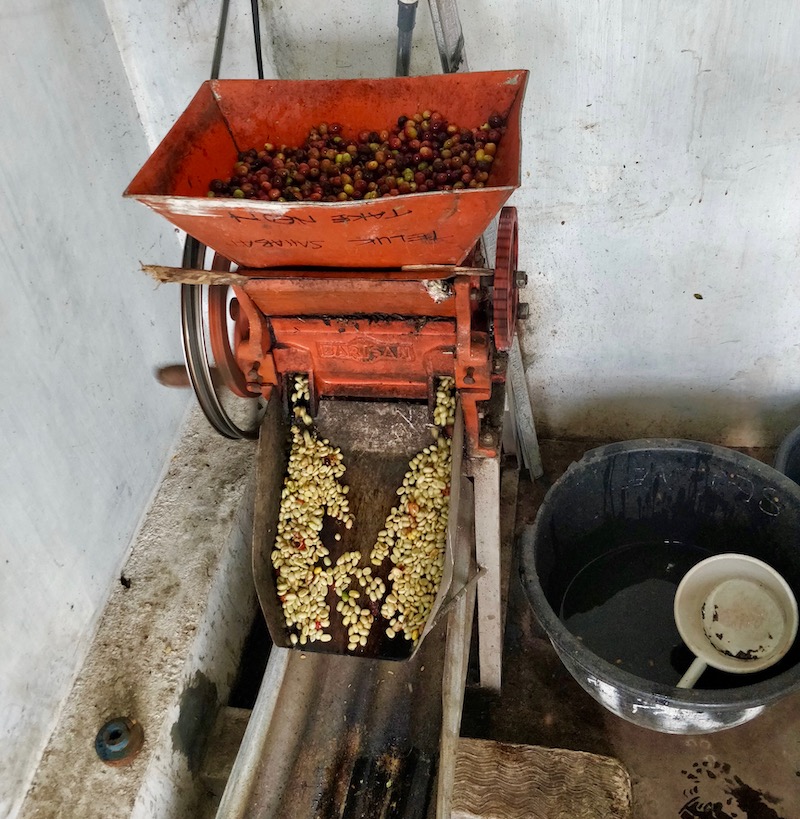
The Origin Story of Indonesian Coffee | What Is the Sumatra Mandheling Coffee Bean Variety Grading System? An Introduction to the Flavor, Taste Characteristics, and Price of Indonesia's PWN Pwani Golden Mandheling Coffee
Mandheling coffee is a single-origin coffee commonly found in specialty coffee shops. It is said that before Blue Mountain coffee was discovered, Mandheling was once regarded as the finest of coffees and swept the world for a time. Mandheling coffee is considered the most full-bodied coffee in the world; when tasting Mandheling, you can distinctly feel the tongue [more…]
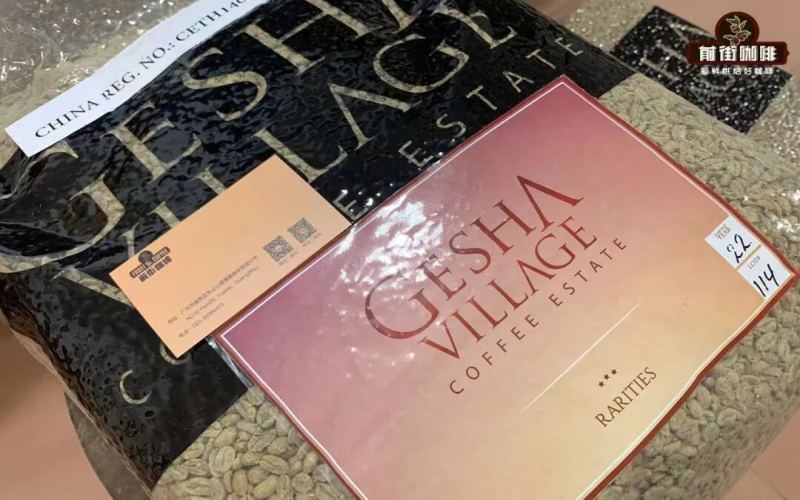
Ethiopian Geisha Coffee | What is the origin of Gesha Village? How does Gesha Village grade Geisha coffee? What are the characteristics of different grades of Geisha?
In the past, when some friends who wanted to taste Geisha coffee came to Front Street Coffee and ordered Geisha, the baristas at Front Street would carefully ask, "Do you mean Ethiopian Geisha or Panamanian Geisha?" Everyone would be confused about the difference between these two Geishas. Nowadays, the name of Panamanian Geisha [more…]
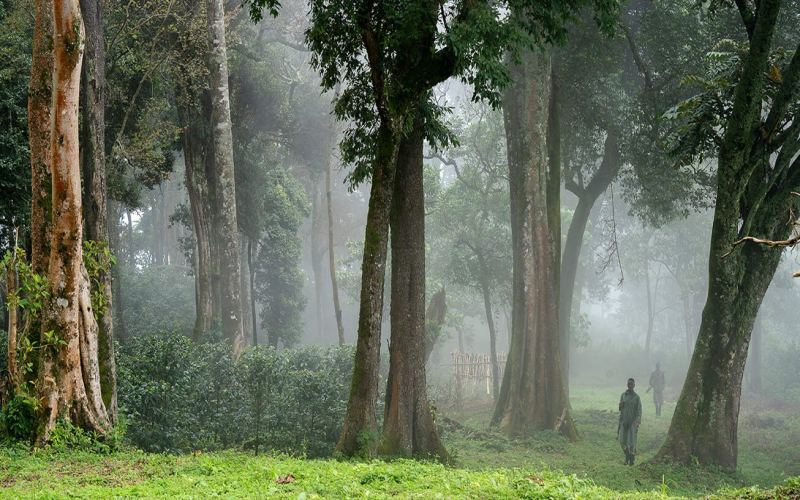
Gesha Village: Tracing the Origins of Ethiopian New Varieties and Recent Auctions
The name Geisha is now almost a highly recognizable symbol in specialty coffee. But what many people don't know is that its roots actually lie in Ethiopia. In recent years, an estate named after Geisha—Gesha Village—has turned its attention back to Ethiopia, and has also made "original Geisha" a [more…]